
Breaking the Silence: Understanding and Supporting Survivors of Childhood Sexual Abuse
- Esther Vanderwal

- Jul 12, 2024
- 4 min read
Updated: Jul 16, 2025
Today, I want to share something deeply significant to me: the issue of childhood sexual abuse. I spend two days a week at the local Child Advocacy Center in Lexington Park, which holds a special place in my heart and is a core reason I became a social worker. If you’re unfamiliar with Child Advocacy Centers, I highly encourage you to learn more about their crucial work here.
Working with this incredibly vulnerable population is an honor and a profound responsibility. Through my experiences, I’ve learned so much about the lasting impact of childhood sexual abuse and how we, as professionals, can offer the most compassionate and effective support.
Here are some key insights:
The Impact of Childhood Sexual Abuse: Understanding and Addressing the Long-Term
Effects
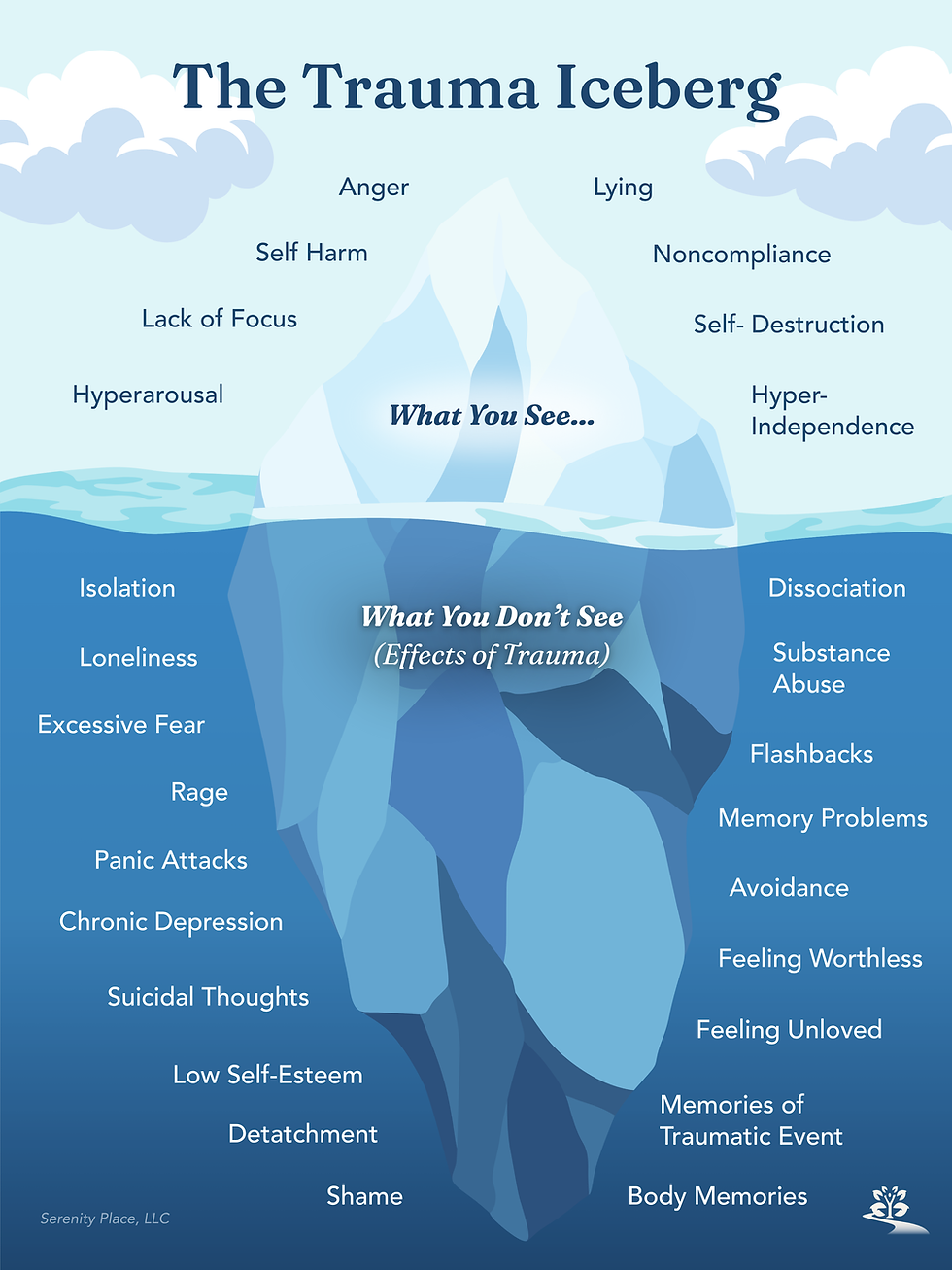
Childhood sexual abuse is an extraordinarily traumatic experience with long-lasting repercussions on an individual’s physical, emotional, and psychological health. It’s essential for those of us working with survivors to understand the complex effects of such trauma and provide informed, compassionate support.
Early Behavioral Manifestations
Children who have been sexually abused often show early signs of trauma through their behavior. This can include premature sexual behaviors like early masturbation or an inappropriate interest in sexual activities. These behaviors are often coping mechanisms as the child attempts to process their traumatic experiences. Recognizing these signs and responding with sensitivity and support is crucial.
Attempts to Reclaim Control
Survivors of childhood sexual abuse may try to recreate their traumatic experiences in a controlled manner, leading to early promiscuity or other high-risk sexual behaviors. This is often an unconscious effort to regain power over their bodies and experiences, which were previously violated. Understanding this can help us empathize with these issues and provide appropriate interventions.
The Body as a Coping Mechanism
Survivors might use their bodies as a primary means of coping with emotional pain and vulnerability, a pattern that can continue into adulthood. This can manifest in various ways, including affairs or promiscuous behavior, even in committed relationships. Recognizing this pattern is vital for providing effective support and guidance.
Physical Symptoms: Frequent Urination
Survivors of childhood sexual abuse may also experience physical symptoms like frequent urination, even in the absence of urinary tract infections (UTIs). Studies have shown that survivors can experience conditions such as overactive bladder and other urinary tract issues because of their trauma. This can be due to the body’s stress response and heightened anxiety, which can manifest in physical ways (SpringerLink) (NSPCC Learning).
Long-Term Effects on Relationships
The impact of childhood sexual abuse often extends into adult relationships, where survivors may struggle with trust, intimacy, and setting healthy boundaries. When faced with emotional vulnerability, they might revert to using their bodies as a coping mechanism, which can strain or even destroy relationships. Providing education and therapy focused on building healthy relational skills is essential for helping survivors navigate these challenges.
Addressing Judgment and the “Ick” Factor
It’s important to recognize that society often judges young children who act out or teens and adults who exhibit promiscuous behavior. I refer to this as the “ick” factor. This judgment does nothing to help the person and instead solidifies their belief that they are bad or unworthy feelings that the abuse has already instilled in them. We must move beyond judgment and approach these behaviors with understanding and support, recognizing them as manifestations of deep-seated trauma.
Breaking the Cycle
Breaking the cycle of trauma and unhealthy coping mechanisms requires a multifaceted approach:
Therapeutic Support: Professional therapy is vital for survivors. Therapists can help individuals understand their behaviors, process their trauma, and develop healthier coping mechanisms.
Education and Awareness: Educating survivors about the impact of their trauma empowers them to make conscious choices about their behaviors and relationships.
Safe Spaces for Expression: Creating environments where survivors feel safe to express their emotions and experiences fosters healing and growth.
Building Healthy Relationships: Encouraging survivors to build relationships based on trust, respect, and healthy boundaries can help them develop more positive interactions with others.
Self-Compassion and Acceptance: Teaching survivors to practice self-compassion and acceptance can reduce the shame and guilt often associated with their behaviors.
Our Commitment to Trauma-Informed Care
At our agency, we are dedicated to providing the highest level of support for clients who have experienced trauma. Our staff is trained in various trauma-focused therapies, including Trauma-Focused Cognitive Behavioral Therapy (TFCBT), Child and Family Traumatic Stress Intervention (CFTSI), Eye Movement Desensitization and Reprocessing (EMDR), and other trauma-informed practices. These specialized trainings equip us to help survivors effectively navigate their healing journey.
Conclusion
Childhood sexual abuse has far-reaching consequences that can affect behavior, physical health, and relationships throughout a person’s life. By understanding these effects and providing appropriate support and resources, we can help survivors heal and build healthier futures. Recognizing the signs of trauma and offering compassionate care are essential steps in breaking the cycle of abuse and fostering a path toward recovery and empowerment.
My job in this arena is to help clients understand how they were victimized and how to become survivors. The rates of re-victimization are alarmingly high, with studies showing that nearly 50% of childhood sexual abuse survivors experience re-victimization later in life (National Sexual Violence Resource Center) (SpringerLink). This high rate is often due to the continued behaviors of a victim rather than those of a survivor. How do I know this, and why is it a passion of mine to work with this population? Because I, too, was a victim and am now a survivor.


Comments